How A River Avon Mystery Became a Modern-Day Legend
In early 2014, a strange story emerged from the muddy banks of the River Avon. What started as an unusual sighting quickly escalated into a national media frenzy, scientific debate, and eventually one of Bristol’s most cherished modern urban legends: The Bristol Crocodile.
The Spark of the Chaos
On February 3, 2014, a bus driver stopped his vehicle on Bedminster Bridge and frantically flagged down a passing police car. He claimed that while looking in his wing mirror, he had spotted a 6-foot crocodile lurking in the tidal waters below.
Avon and Somerset Police Chief Constable Nick Gargan took to social media, tweeting:
“One of our officers was flagged down by a bus driver today, claiming to have seen a 6ft crocodile. We can’t find it.”
The tweet instantly captured the public imagination. Police searched areas near Eastville Park, while Bristol Zoo quickly issued a statement confirming that none of their animals were missing. Yet, over the following months, the mystery only expanded:
February 5, 2014: Local resident Kelly Gray reported seeing a 6-foot crocodile floating under Coronation and Bedminster Bridge.
Mid-February 2014: Local councillor Tom Aditya recorded mobile video footage showing a dark shape pushing through the surface water of the Avon, which was broadcast across regional news outlets.
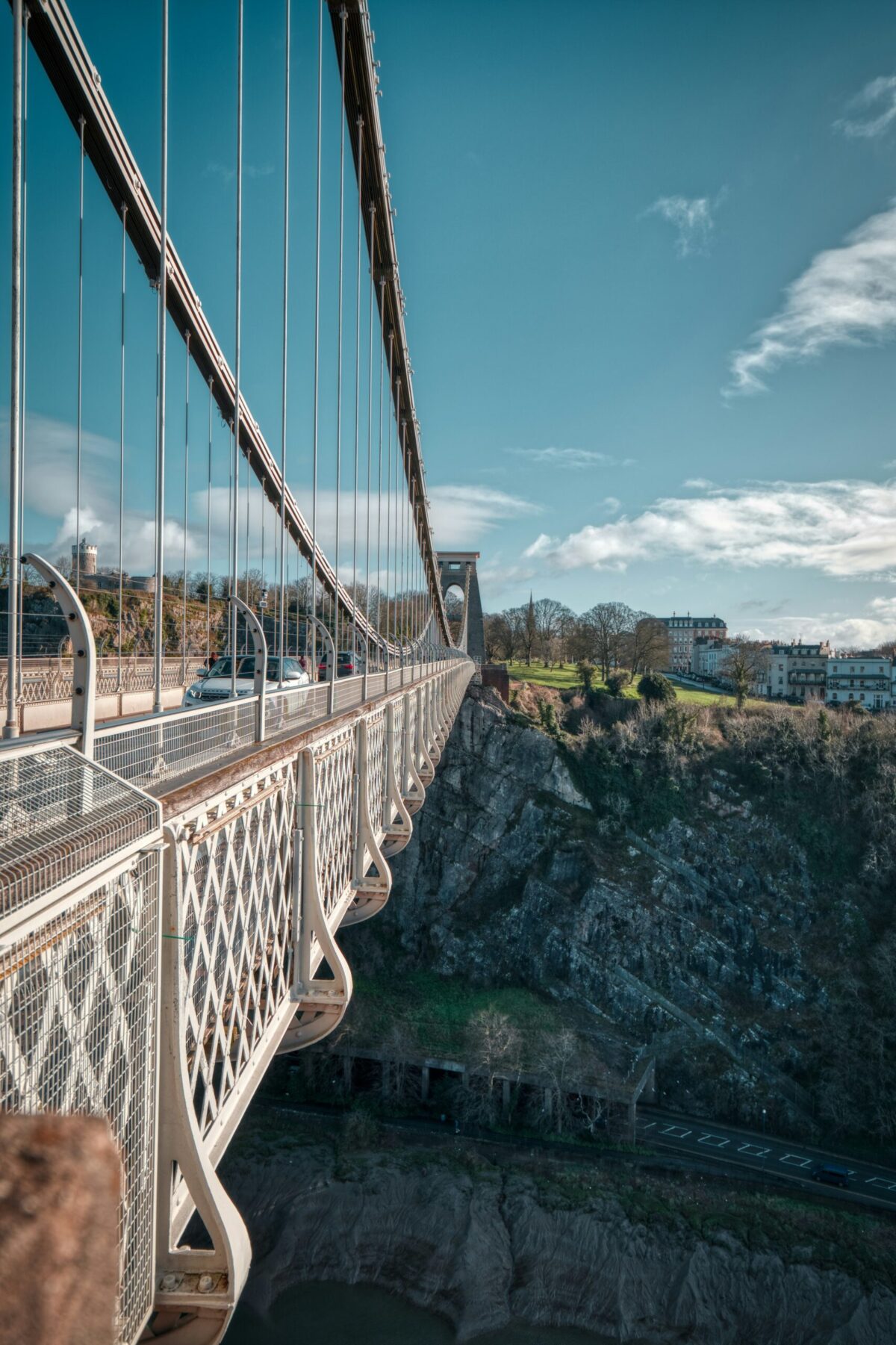
June 2014: Local runner Tamara Blanco snapped a photograph near the Clifton Suspension Bridge showing a long, scaly object protruding from the water.
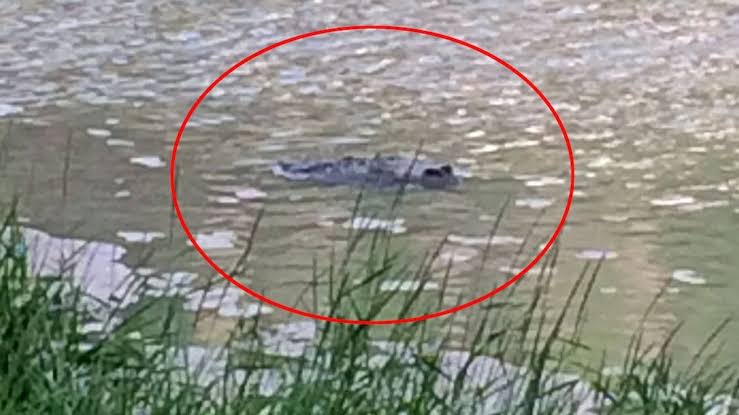
Picture courtesy of the Daily Mirror.
Photographic Evidence and Visual Analysis
The photographic evidence sparked intense debate among academics, local researchers, and evolutionary biologists. When researchers analysed the evidence, several logical explanations emerged:
The Clifton suspension Bridge photo: Evolutionary biologists, including Dr. Tom Stubbs from the University of Bristol, examined the photo snapped by Tamara Blanco. The consensus was that the scaly “snout” was almost certainly waterlogged timber, floating tree bark, or a remote-controlled fake alligator head.
The river wake video: Analysis of Councillor Aditya’s footage suggested that the V-shaped wake pushing through the water was caused by fluid dynamics. Tidal rivers like the Avon frequently create standing waves and surface wakes around stationary submerged debris or anchored underwater ropes.
Prank debris & art props: As media coverage peaked, local pranksters and art students exacerbated the phenomenon by deploying remote-controlled alligator heads and floating props along Bristol Harbour to keep the story alive.
Biological feasibility & expert opinions: Herpetologists and marine biologists were quick to address the likelihood of a tropical reptile surviving in the West Country.
Thermoregulation constraints: Andy Carbin, Senior Keeper at Bristol Zoo, alongside independent reptile specialists, pointed out that true crocodiles are tropical endotherms. Water temperatures in the River Avon drop below 8°C (46°F) during February. Exposure to such cold water would induce fatal metabolic shutdown, known as torpor or hypothermia, within days or weeks.
The alligator and caiman hypothesis: Unlike true crocodiles, American alligators and spectacled caimans can enter a state of brumation to survive cold weather. While an escaped 6-foot reptile would be an extreme anomaly, the idea of exotic pets in UK waters isn’t entirely without precedent; in 2017, the RSPCA pulled a small escaped pet caiman from a Somerset reservoir.
Extreme tidal dynamics: The River Avon experiences one of the highest tidal ranges in the world, up to 14 meters. The resulting strong currents, rapid flow shifts, and heavy silt turbidity make it nearly impossible for a semi-aquatic predator to navigate or hunt effectively.
Primary Factors Behind Misidentification
Researchers highlight three primary phenomena that fuelled the ongoing sightings:
Floating debris: Decomposing tree trunks stripped of bark float down from upstream banks. Their naturally ridged surfaces closely mirror the scutes of a crocodile’s back.
Pareidolia & expectation bias: Following the initial police broadcasts, high media interest created a state of visual expectation among daily commuters along the river, leading people to interpret ambiguous shapes as reptilian heads.
Marine mammals & wildlife: Harbor porpoises, seals, and diving birds occasionally venture up the Avon Gorge from the Severn Estuary. Brief surface breaches by these animals in murky, brackish water are easily misidentified.
How Bristol Embraced the Myth
Rather than debunking the story into obscurity, the city of Bristol wholeheartedly adopted the crocodile into its quirky cultural fabric.
“Bristol didn’t just report the mystery; it made the beast part of its local identity.”
Street art & guerrilla signage: Yellow warning signs reading “Beware: Crocodile in Water” began appearing along the Harbourside. Street artists adopted #Bristolcroc on social media, while anonymous installation artists placed mini crocodile statues in river alcoves.
Public art installations: In 2025, artist Dorcas Casey unveiled a permanent, life-sized crocodile sculpture at the Welcome Building in Temple Quarter. The bronze piece was crafted in collaboration with nearly 100 residents who pressed personal mementos, coins, and textures into the clay “skin.”
Children’s literature: The story inspired a popular series of children’s picture books featuring the crocodile as a friendly hidden guardian exploring Bristol landmarks like Clevedon Pier and the Floating Harbour.
Today, whenever an unusually shaped log drifts past the Bristol docks under the morning fog, locals still smile and check the water for the city’s favourite hidden resident. Whether the beast was a waterlogged log drifting on the tide, a remote-controlled prankster’s prop, or an escaped exotic pet braving the icy waters, the Bristol Crocodile long ago outgrew the murky depths of the River Avon. It transformed from a fleeting moment of confusion into a permanent stitch in the city’s rich, quirky cultural tapestry.
Bristol has always excelled at turning the unusual into the iconic, and as long as the Avon’s high tides churn up curious shapes along the water’s edge, the legend of the Bristol Croc will keep floating along right beside them.
Leave a Reply