Chilling Encounters and the Science of Fear
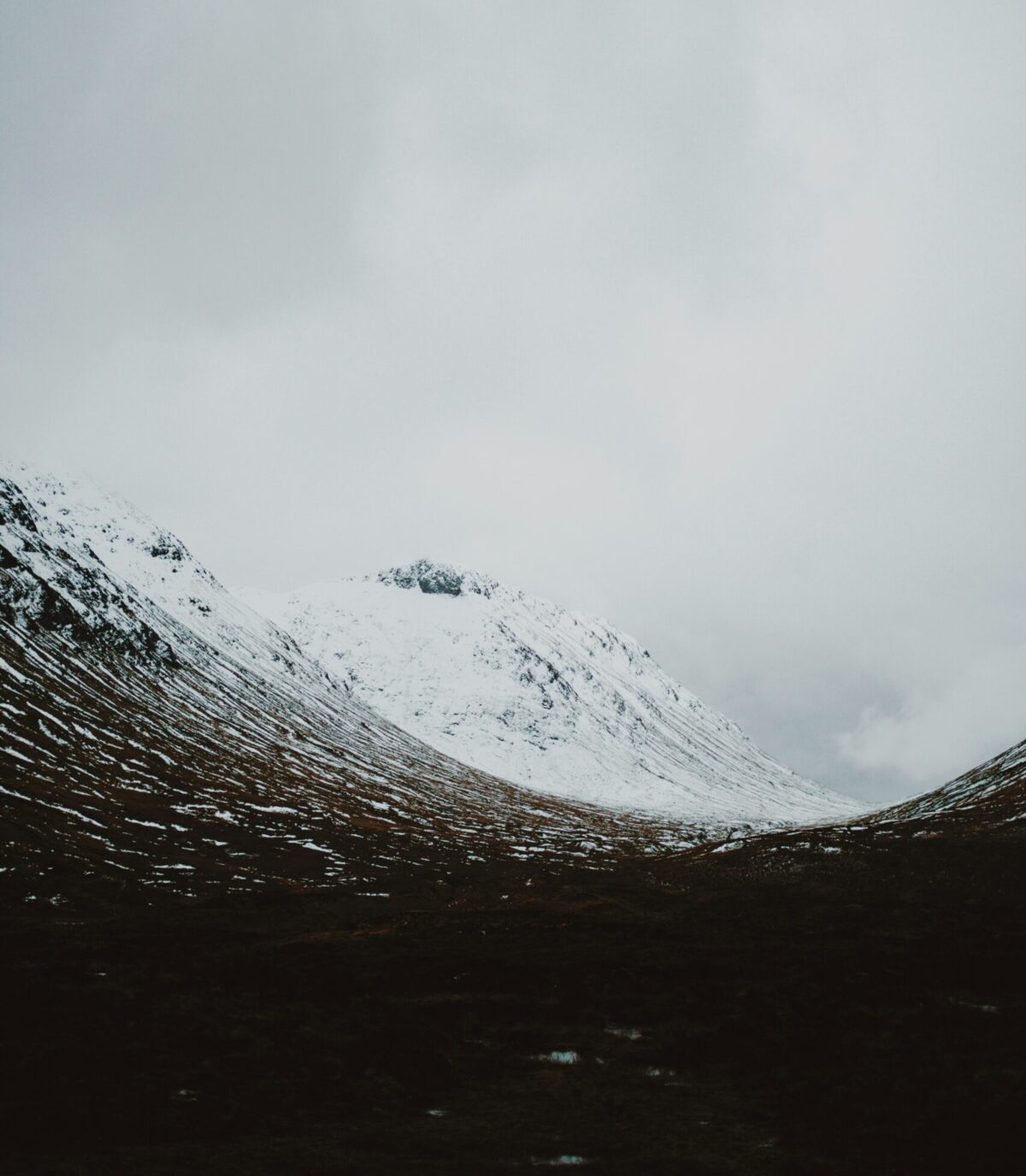
High in the harsh, windswept landscape of the Scottish Cairngorms sits Ben Macdui, Britain’s second-highest mountain peak. Standing over 4,000 feet above sea level, it is a vast, boulder-strewn plateau known for severe weather, sudden fog, and an overwhelming sense of isolation. It is also home to one of the world’s most unique mountain mysteries: Am Fear Liath Mòr, or The Big Grey Man.
Unlike classic cryptids such as Bigfoot or the Loch Ness Monster, the Grey Man is rarely described as a living creature standing clearly in plain sight. Instead, it manifests through an unnerving combination of unseen footsteps, towering shadow figures looming in the mist, and an almost unbearable, sudden wave of psychological horror.
Anatomy of a Legend: What is the Grey Man?
In traditional Gaelic folklore, mountain spirits have long been thought to guard the high passes. Witnesses who claim to have caught a fleeting glimpse of the Grey Man describe an imposing, humanoid silhouette ranging from 8 to 10 feet tall, sometimes covered in short, greyish hair or wrapped in a dark cloak. Yet, for most who cross paths with Am Fear Liath Mòr, the encounter is non-visual. It usually follows a distinct, unsettling pattern:
The Stalking Footsteps: Hikers walking alone through dense fog report hearing heavy, gravel-crunching footsteps directly behind them. The footsteps are paced at intervals three to four times wider than a normal human stride, stopping whenever the hiker stops and resuming when they walk.
Sudden “Mountain Panic”: Experienced mountaineers, people accustomed to risk and harsh weather, frequently report being struck by a sudden, irrational wave of terror. This overwhelming urge to flee, often accompanied by a feeling of physical pressure or claustrophobia, forces them to sprint blindly down the mountain plateau.
Firsthand Encounters Through History
While tales of a presence on Ben Macdui go back centuries, the story entered public consciousness in 1925. During an annual meeting of the Cairngorm Club, Professor J. Norman Collie, an esteemed chemistry professor and highly experienced mountaineer, recounted a terrifying solo hike on the peak from 1891:
“I began to think I heard something else besides the mere noise of my own footsteps. Every few steps I took I heard a crunch, and then another crunch, as if someone was walking after me, but taking strides three or four times the length of my own. As the making of the noise continued, a terrifying panic seized me, and I took to my heels and ran blindly down the mountainside for four or five miles.”
Collie vowed never to return to Ben Macdui alone. His public confession opened the floodgates for others to share similar experiences:
Peter Densham (1945): A wartime mountain rescue worker on Ben Macdui reported hearing eerie noises in heavy mist. Shortly after, he felt a strange physical pressure around his neck and an irresistible compulsion to run off the edge of the plateau.
Richard Frere (1948): The writer and climber recounted resting on the summit when he felt a strange, high-pitched singing vibration in the air, accompanied by a powerful, unseen “Presence” that filled him with dread.
Modern Reports: Casual encounters continue into the present day. In late 2022, a ranger log entry at the Mar Lodge Estate noted a visitor spotting a “creepy grey silhouette in the fog” near the summit. Meanwhile, modern hikers on UK mountaineering forums regularly share accounts of hearing out-of-sync crunching sounds in the snow or experiencing sudden, inexplicable dread while navigating the plateau in thick clouds.
The Science of the Sightings
What makes seasoned climbers panic on a lonely summit? Science offers a fascinating explanation that combines optics, acoustics, and human biology.
The Brocken Spectre Effect: When hikers report seeing a giant, dark figure standing in the mist, they are almost certainly witnessing an atmospheric optical illusion called a Brocken spectre. To see a Brocken spectre, three conditions must align: the sun must be low behind the hiker, a layer of mist or cloud must sit in the valley below, and the hiker must be looking down into the cloud layer. When these match, sunlight projects the hiker’s own shadow onto the mist ahead. This illusion produces three key trick effects:
Towering Scale: Because fog provides no visual depth cues, your brain misinterprets the cloud bank as being much farther away than it actually is. As a result, your mind scales up your shadow, turning your normal reflection into a 10-to-20-foot phantom giant.
Phantom Motion: Clouds and mist are constantly moving and changing density. Even if you stand completely still, shifting fog makes the shadow appear to shift, walk, or reach out.
The “Glory” Halo: Sunlight diffracts (bends) through the tiny water droplets in the fog, creating a multi-coloured, rainbow-like ring, known as a glory, around the phantom figure’s head.
Because Ben Macdui is a high-altitude plateau surrounded by deep valleys, cloud inversions are incredibly common, making it an ideal breeding ground for Brocken spectres.
Acoustic Echoes
The Cairngorms plateau is formed from massive, weathered granite blocks. In fog or heavy snow, sound waves bounce off nearby boulder fields and crags in unpredictable ways. A solo hiker’s own footsteps can reflect back at a delay, creating the illusion of a second, heavier set of boots following just out of rhythm.
The Biology of Fear: Infrasound
Perhaps the most fascinating scientific piece of the puzzle is infrasound, acoustic pressure waves that sit below 20 Hertz (Hz), beneath the lower limit of human hearing.
While high-pitched sounds fade quickly, low-frequency infrasound waves have massive wavelengths, ranging from 17 meters at 20 Hz to over 100 meters at lower frequencies. They travel vast distances without losing energy and easily bend around physical structures.
On Ben Macdui, gale-force winds shearing over sharp granite plateau edges and whistling through deep rock passes create two natural phenomena:
Helmholtz Resonance: Similar to blowing air over the top of a giant bottle, wind blowing across deep rock cavities generates ultra-low-frequency acoustic vibrations.
Kármán Vortex Street: Air flowing over sharp rock structures creates repeating, low-frequency wind vortices.
How Infrasound Triggers “Mountain Panic”
While your ears cannot consciously hear sound waves at 18 Hz, your body still absorbs them. When infrasound hits human tissue, it triggers specific physiological stress responses:
Cortisol Spikes: Evolutionarily, low-frequency rumblings signalled imminent catastrophic danger, such as avalanches, earthquakes, or approaching apex predators. Exposure to frequencies around 18 Hz triggers an involuntary surge of cortisol (the body’s primary stress hormone). Because your conscious mind cannot hear or locate the source of the noise, your brain experiences intense, objectless panic.
Visual Distortions: Research into low-frequency sound reveals that 18.9 Hz happens to match the exact resonant frequency of the human eyeball. When infrasound vibrates the eye’s fluid at this frequency, it causes subtle visual resonance, producing grey, smudged shapes and static in a person’s peripheral vision.
Myth, Mind, or Mountain Spirit?
When a solo hiker treks across Ben Macdui in thick fog, all these physical factors can strike simultaneously.
Wind whipping through the granite crags floods the area with 18 Hz infrasound, spiking their cortisol and causing visual smudges in their side vision. Their own footsteps echo off unseen rocks, sounding like heavy boots crunching behind them. As they turn toward the valley edge in fear, the sun behind them projects their own giant, shadowed reflection onto the mist.
Whether you view Am Fear Liath Mòr as an ancient guardian spirit of the Highlands or an incredible confluence of optical illusions, acoustic physics, and biological fear responses, one thing is certain: the Grey Man of Ben Macdui remains one of the most hauntingly real legends in modern outdoor history. If you experience the Grey Man himself, you may challenge the science of his existence, putting your opinion through the experience of your terrifying encounter.


Leave a Reply