Phantom Pumas of the Pennines
When local legends and nocturnal encounters are discussed in the North West of England, most minds drift straight to famous UFO incidents in Todmorden. Yet, just down the road in the Metropolitan Borough of Bury—specifically around Radcliffe, Ramsbottom, and Pilsworth—a very different, far more grounded local mystery has been unfolding for decades.
Unlike one-off ghost stories or single-night events, reports of “phantom felines” around Bury are part of an ongoing, decades-long chapter in Lancashire and Greater Manchester folklore. Over the years, horse riders, elderly residents, and even Greater Manchester Police officers dispatched to frantic 999 calls have found themselves caught up in the phantom feline phenomenon.
The Eyewitness Reports:
There are several recent reports from a variety of people within the local community.
The Panther Chasing Deer
In mid-summer 2016, Greater Manchester Police received an urgent call from a resident off Bury New Road in Radcliffe. The caller described watching a massive black panther actively hunting and chasing deer across a farmer’s field. The witness remained utterly unshakeable in their conviction, telling the police handler that the creature was “definitely not a dog and definitely not a domestic cat.” Police searched the surrounding area, but no trace of the big cat was found.
The Radcliffe ‘Puma’
Two years later in July 2018, 81-year-old Peter Nield was looking out of his back window on Grindsbrook Road in Radcliffe. He watched a massive, pure-black cat smoothly trotting across the open field behind his garden. Though it was only in sight for about six seconds, Nield—insisting his vision was sharp—described the animal as a large puma or panther moving with distinct feline grace.
The Frenzied Horses of Pilsworth
Just months later in October 2018, a far more dramatic encounter occurred along the Roch Valley Greenway, a popular bridleway connecting Pilsworth and Bury. Friends Leonora Fleming and Nikki Allison were out riding their horses when heavy rustling broke out in an inaccessible thicket near a fishing lake.
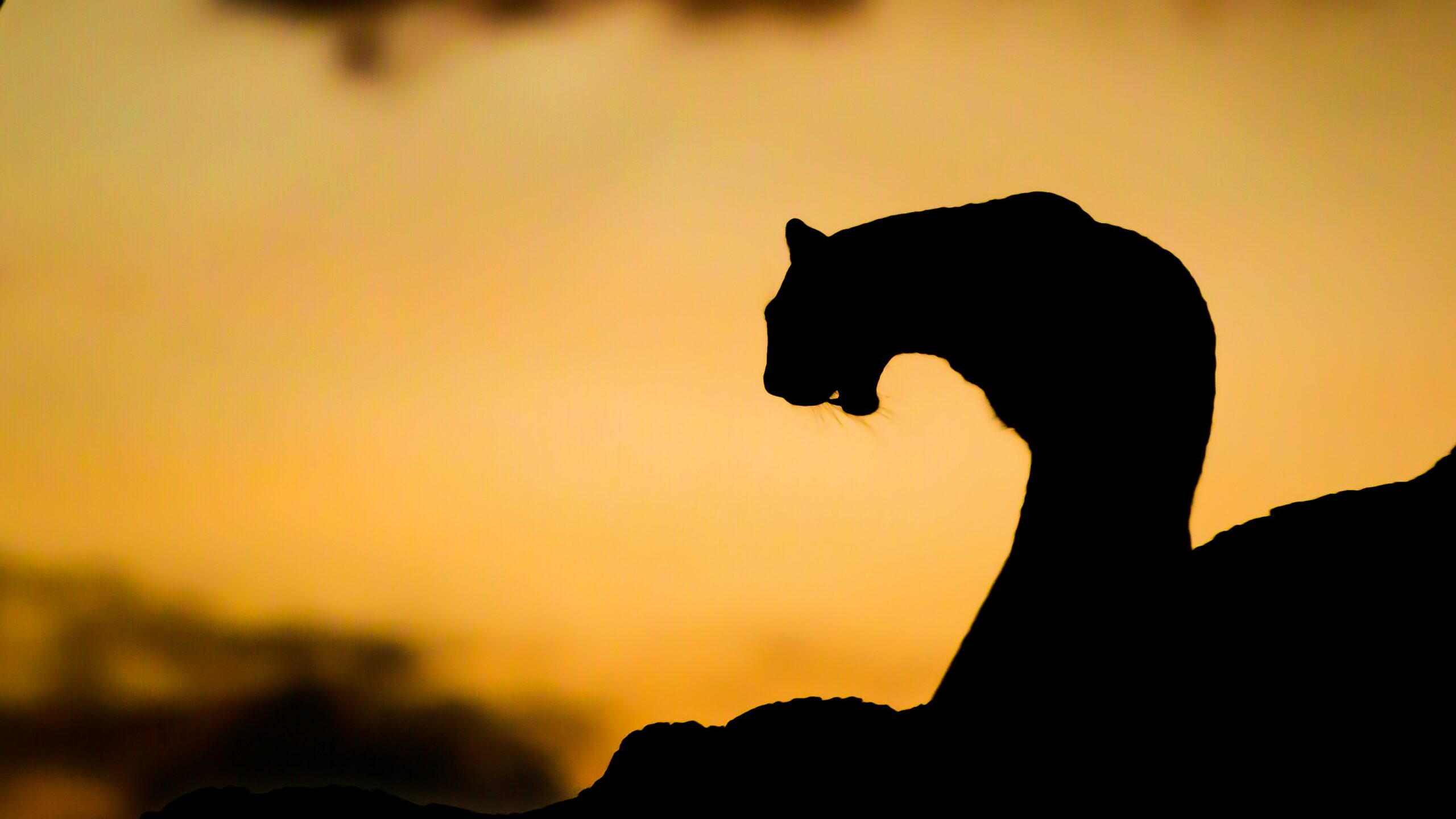
Suddenly, their horses sensed something terrifying: Leonora’s horse went into a complete frenzy, spinning in circles and attempting to bolt in sheer panic. As she fought for control, she heard a deep, menacing growl and saw a massive black shape “the size of a Dobermann” lurking in the brush. Both riders—accustomed to foxes and stray dogs—agreed the size, muscularity, and movement were identical to a black panther.
The Ramsbottom “Jaguar”
A subsequent Freedom of Information (FOI) disclosure revealed that police had also been called to Ramsbottom, in the northern part of the Bury borough. A terrified local reported seeing a “black Jaguar cat, bigger than a fox with a long tail” slinking through the hills overlooking the town.
The Geography: Why the Bury Corridor Works
Why does this specific stretch of Greater Manchester generate such consistent reports? The secret lies in the geographical intersection of urban sprawl and rugged terrain:
The West Pennine Moors Corridor: To the north and west of Ramsbottom lie thousands of acres of unpopulated moorland, steep wooded valleys (cloughs), and abandoned stone quarries. A secretive predator could easily travel from Rossendale into valley edges without stepping on major roads.
River Valleys as Wildlife Highways: Natural strips like the Roch Valley Greenway and the River Irwell act as green highways. Roe deer, foxes, and wild rabbits travel these corridors straight into urban-adjacent pockets like Radcliffe.
An Exploding Prey Base: Over the last two decades, the roe deer population across Greater Manchester and Lancashire has grown rapidly, offering an ample food supply to sustain a large predator.
What is Behind the Mystery?
Whenever big cat sightings crop up in the Bury area, wildlife experts and local sleuths point to three main theories:
The 1976 Dangerous Wild Animals Act: Before 1976, keeping exotic pets like panthers, pumas, and cheetahs was legal and fashionable in Britain. When strict licensing laws, expensive insurance, and enclosure mandates were introduced, some wealthy owners reportedly drove out to remote spots—such as the West Pennine Moors—and set their pets free to avoid prosecution.
Optical Scale & Large Feral Felines: Skeptics note that a standard black domestic cat or an oversized dog walking across an open field without visual markers (like fences or trees) can trick the human brain into perceiving a much larger animal. Furthermore, feral cat hybrids measuring over 3 feet in length do exist in the wild.
DNA Realities: While many sightings stem from mistaken identity, researchers in recent years have successfully recovered DNA evidence from black hair caught on barbed wire following UK livestock attacks, yielding a 99% match to actual exotic big cat species—proving that a small, elusive population really has existed in the British countryside.
Whether it’s a surviving panther living off the local roe deer population or a series of highly synchronized cases of mistaken identity, the fields and valleys around Bury remain one of the UK’s most compelling hotspots for big cat sightings.